Roof Maintenance Checklist for Australian Homeowners
Your roof is one of the most important parts of your home, yet it’s often one of the most overlooked. Regular roof maintenance can extend the life of your roof, prevent costly repairs, and protect your home from Australia’s harsh weather conditions – from intense sun and heavy rain to strong winds and storms.
Whether your roof is tiled or metal, staying on top of maintenance is key. This ultimate roof maintenance checklist will help homeowners understand what to check, when to check it, and when it’s time to call in the professionals.
Why Roof Maintenance Matters
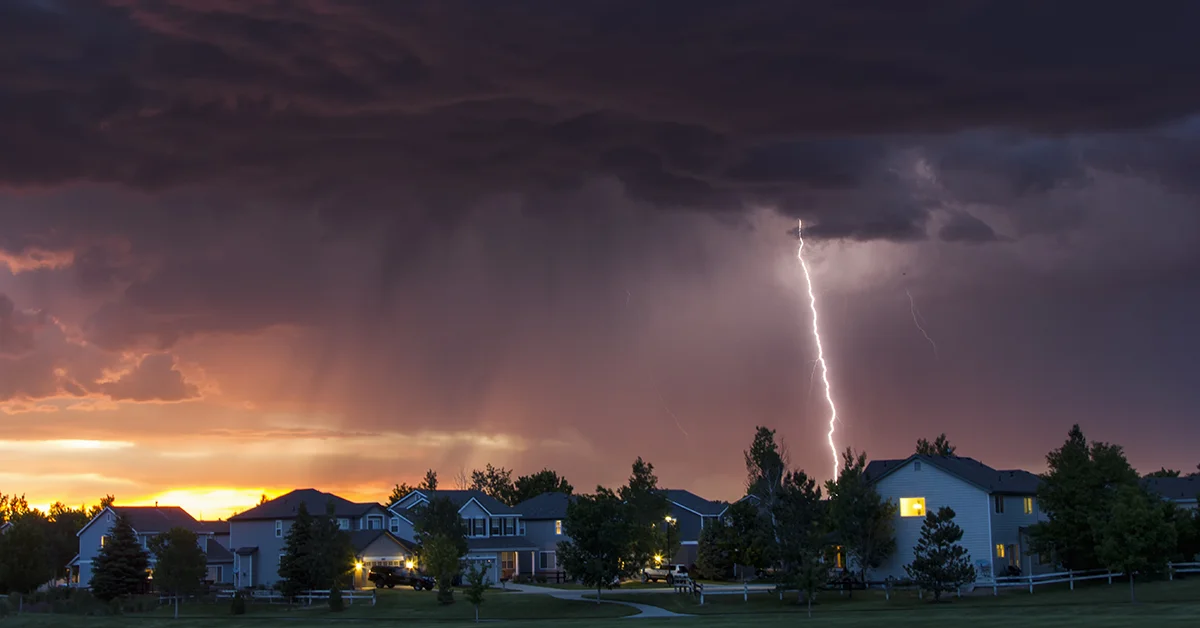
In Australia, roofs are exposed to extreme conditions year-round. UV rays can cause materials to degrade, storms can loosen tiles or sheets, and blocked gutters can lead to water damage. Small issues often go unnoticed until they turn into major (and expensive) problems.
Routine inspections and maintenance help:
- Prevent leaks and water damage
- Extend the lifespan of roofing materials
- Maintain your home’s value
- Improve energy efficiency
- Avoid emergency repairs
How Often Should You Check Your Roof?
As a general rule, homeowners should inspect their roof:
- Twice a year (autumn and spring)
- After severe weather such as storms, heavy rain, or high winds
- Before selling or renovating a home
While some checks can be done from the ground, a professional roof inspection is recommended at least once a year.
Roof Maintenance Checklist
1. Inspect Roof Coverings
From ground level or a safe vantage point, look for visible signs of damage.
Check for:
- Cracked, broken, or missing tiles
- Loose or lifted metal sheets
- Rust or corrosion on metal roofing
- Faded or peeling roof coatings
- Debris buildup in roof valleys
Any damaged roofing material can allow water to enter, leading to leaks and structural damage.
2. Check Ridge Capping and Pointing
Ridge caps (the tiles or metal running along the roof peak) are critical for keeping your roof watertight.
Look for:
- Cracked or loose ridge tiles
- Deteriorating mortar or pointing
- Gaps forming along ridge lines
Rebedding and repointing may be required if mortar is failing — this is a common issue in older Australian homes.
3. Clean Gutters and Downpipes
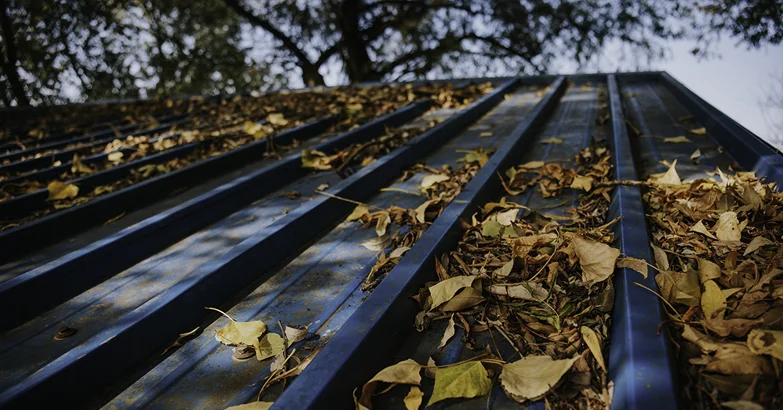
Blocked gutters are one of the most common causes of roof and water damage.
Make sure:
- Gutters are free of leaves, dirt, and debris
- Downpipes are flowing freely
- No sagging or overflowing sections are present
Blocked gutters can cause water to back up under roofing materials, rot timber fascias, and damage foundations.
4. Inspect Flashings and Seals
Flashings are used around chimneys, skylights, vents, and roof edges to prevent water entry.
Check for:
- Lifted or loose flashing
- Rusted metal
- Cracked sealant or gaps
Faulty flashings are a leading cause of roof leaks and should be repaired promptly.
5. Look for Signs of Leaks Inside the Home
Roof issues don’t always start on the outside. Internal signs can indicate hidden damage.
Watch for:
- Water stains on ceilings or walls
- Peeling paint or bubbling plaster
- Damp smells in roof cavities
- Mould growth
If you notice any of these signs, it’s important to have your roof inspected as soon as possible.
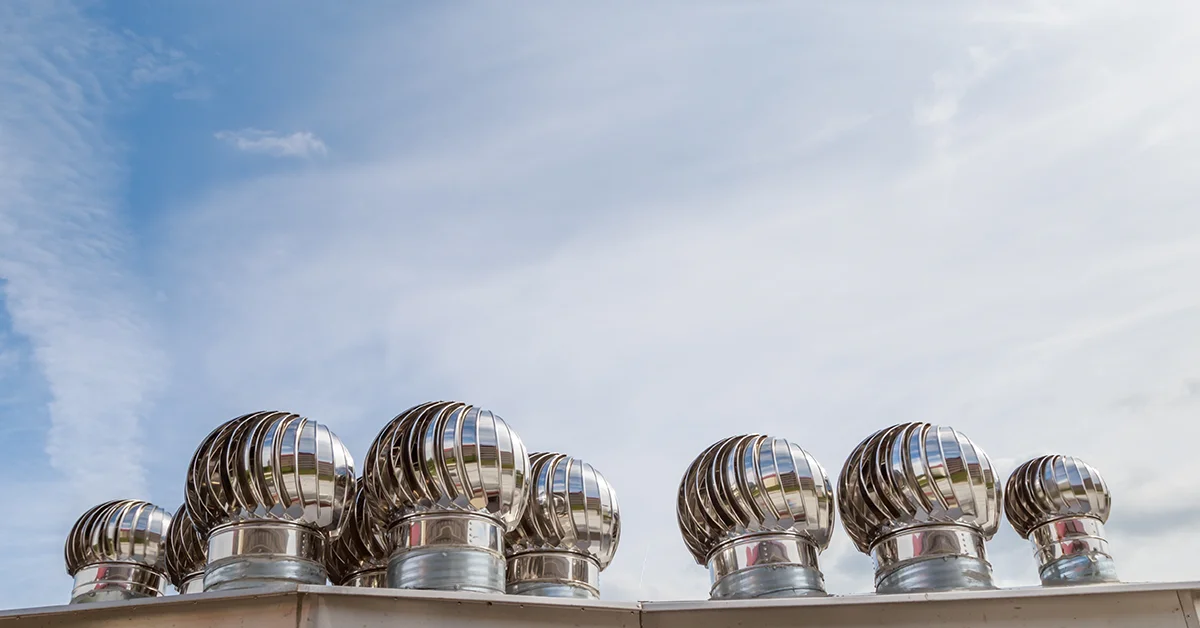
6. Check Roof Ventilation
Proper ventilation helps regulate temperature and moisture in your roof space.
Ensure:
- Vents are not blocked or damaged
- Heat is not trapped in the roof cavity
- There is no excessive condensation
Poor ventilation can shorten roof lifespan and increase energy costs, especially during Australian summers.
7. Remove Moss, Lichen, and Mould
Moss and lichen growth are common on tiled roofs, particularly in shaded or coastal areas.
Why removal matters:
- Growth retains moisture
- Can cause tiles to deteriorate
- Increases the risk of leaks
Professional roof cleaning is recommended to avoid damage caused by high-pressure cleaning or harsh chemicals.
8. Trim Overhanging Trees
Overhanging branches can scratch roofing materials and drop leaves into gutters.
Keep trees trimmed to:
- Reduce debris buildup
- Minimise storm damage
- Prevent pest access to the roof
This is especially important in storm-prone regions.
When to Call a Professional Roofer
While basic visual checks can be done by homeowners, climbing onto a roof can be dangerous and should be left to professionals.
Call a licensed roofer if:
- You notice damage or leaks
- Your roof is over 10 years old
- You’re unsure about the condition of your roof
- You want peace of mind with a full inspection
Protect Your Home with Regular Roof Maintenance
Staying proactive with roof maintenance is one of the smartest things a homeowner can do. Regular inspections, timely repairs, and professional support can save you money and prevent major issues down the track.
At Lifestyle Image Roofing, we help homeowners keep their roofs in top condition with expert inspections, maintenance, repairs, and restorations. If you’re unsure about your roof’s condition, getting it checked today could save you thousands tomorrow. Contact us today to see how we can help you.